

Large Format Wine Bottles: Why Collectors Continue to Seek Them
Why Large Format Bottles Continue to Attract Fine Wine Collectors
Large format wine bottles continue to attract fine wine collectors due to their exceptional ageing potential, rarity and impressive presentation. While standard 75cl bottles remain the foundation of most collections, larger formats such as Magnums, Jeroboams and Imperials offer unique qualities that make them highly desirable among enthusiasts and investors.
From Magnums to larger formats such as Jeroboams and Imperials, these bottles offer a unique combination of ageing potential, rarity and presentation value. Beyond their impressive appearance, large format wines represent some of the most desirable and collectable bottles in the fine wine market.
As collectors increasingly look for wines that combine enjoyment with long-term value, large format bottles continue to hold a special place in carefully considered collections.
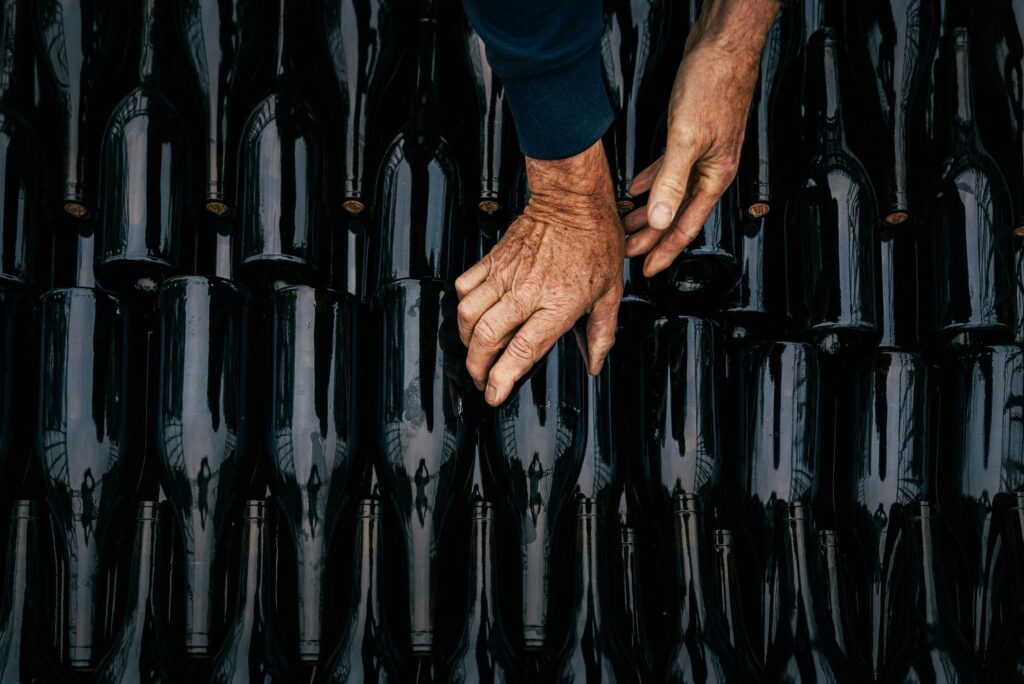
What Makes Large Format Bottles Different?
The primary difference between a standard bottle and a large format is the ratio of wine to oxygen exposure over time, which influences how the wine evolves in bottle.
A larger bottle contains more wine but the same size of cork closure, meaning the wine develops more slowly and gradually. This slower evolution allows fine wines to mature with greater consistency, often preserving freshness, structure and complexity for longer periods.
For collectors who are building a cellar designed for the future, large formats can offer an opportunity to acquire wines with exceptional ageing potential.

Large Formats and Long-Term Ageing Potential
Fine wines are living products that change over time. The pace of this evolution is influenced by several factors, including grape variety, vintage quality, winemaking style and bottle format.
Large format bottles are often favoured for extended ageing because the slower maturation process can help preserve:
- Freshness and acidity
- Primary fruit characteristics
- Tannin structure
- Overall balance and complexity
For collectors purchasing wines from prestigious producers and highly regarded vintages, large formats can be an attractive way to secure bottles that are expected to develop beautifully over decades.
This is particularly relevant for iconic regions such as Bordeaux, Burgundy, Champagne and Rhône, where mature wines from leading estates are highly sought after.
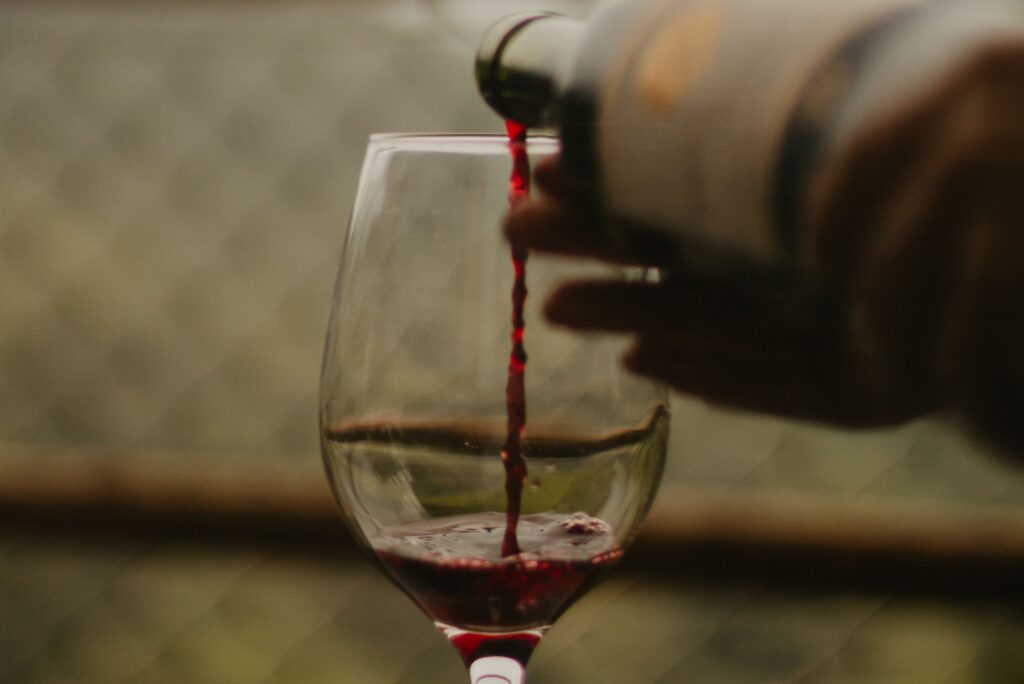
Rarity Adds to Collector Appeal
One of the biggest attractions of large format bottles is their scarcity.
Large formats are typically produced in much smaller quantities than standard bottles, making them harder to find in the market. Producers often reserve these formats for exceptional vintages, special releases or allocations to key customers.
For collectors, rarity adds another dimension to ownership. A large format bottle is not simply another bottle in a cellar; it becomes a statement piece and often a conversation starter.
Limited availability also contributes to demand from collectors seeking wines with a stronger sense of exclusivity and provenance.

The Importance of Presentation
Fine wine is about more than what is inside the bottle. The experience of opening and sharing a great wine is an important part of collecting.
Large format bottles naturally create a sense of occasion. Whether opened at a private dinner, celebration or collector gathering, they bring a level of theatre that a standard bottle cannot replicate.
A Magnum of a great Champagne, a Jeroboam of Bordeaux or an Imperial from a renowned estate can transform an occasion and become a memorable part of the experience.
For collectors who enjoy sharing their wines, large formats offer both investment appeal and enjoyment value.

Large Formats as Part of a Fine Wine Investment Strategy
While the primary reason to collect wine should always be appreciation and enjoyment, certain large format bottles can also offer attractive investment characteristics.
Their combination of:
- Limited production
- Strong brand recognition
- Exceptional vintages
- Long ageing potential
- Collector demand
can make them highly desirable within a diversified fine wine portfolio.
The most sought-after large formats typically come from established producers with strong global demand. Names with a proven track record in the secondary market often attract interest from collectors worldwide.
As with any fine wine purchase, quality, provenance, storage conditions and buying from a trusted merchant remain essential.

Choosing the Right Large Format Bottle
Large formats are not only for experienced collectors. They can be a valuable addition to a cellar at any stage, whether you are looking to build long-term value or simply own something special for future occasions.
When selecting a large format bottle, collectors should consider:
- The producer and reputation of the estate
- The vintage quality
- The expected ageing window
- Provenance and storage history
- The intended purpose: investment, gifting or enjoyment
Working with a specialist fine wine merchant can help identify opportunities that align with your collecting goals.

Why Collectors Continue to Seek Large Format Wines
Large format bottles represent everything that attracts collectors to fine wine: patience, rarity, craftsmanship and the opportunity to own something exceptional.
Their slower evolution rewards those willing to wait, while their scarcity and visual impact make them some of the most desirable bottles in the market.
Whether added to a growing collection or selected as a centrepiece for future celebrations, large formats remain a timeless expression of fine wine collecting.

Explore Collectable Large Format Wines with Cru Wine
At Cru Wine, we help collectors discover exceptional wines and spirits through a transparent, digital-first approach. With over 10 years of industry experience, our team combines specialist knowledge with personalised service to make collecting fine wine simple and accessible.